When to schedule HVAC maintenance?
- Mar 3, 2025
- 3 min read
A regular HVAC maintenance schedule is essential to keeping your heating and cooling system running efficiently, extending its lifespan, and preventing costly breakdowns. But how often should you service your HVAC system? The answer depends on system type, usage, and environmental factors.
In this guide, we’ll break down recommended maintenance schedules, explain why servicing is crucial, and provide expert-backed HVAC maintenance tips to help keep your system in top shape.
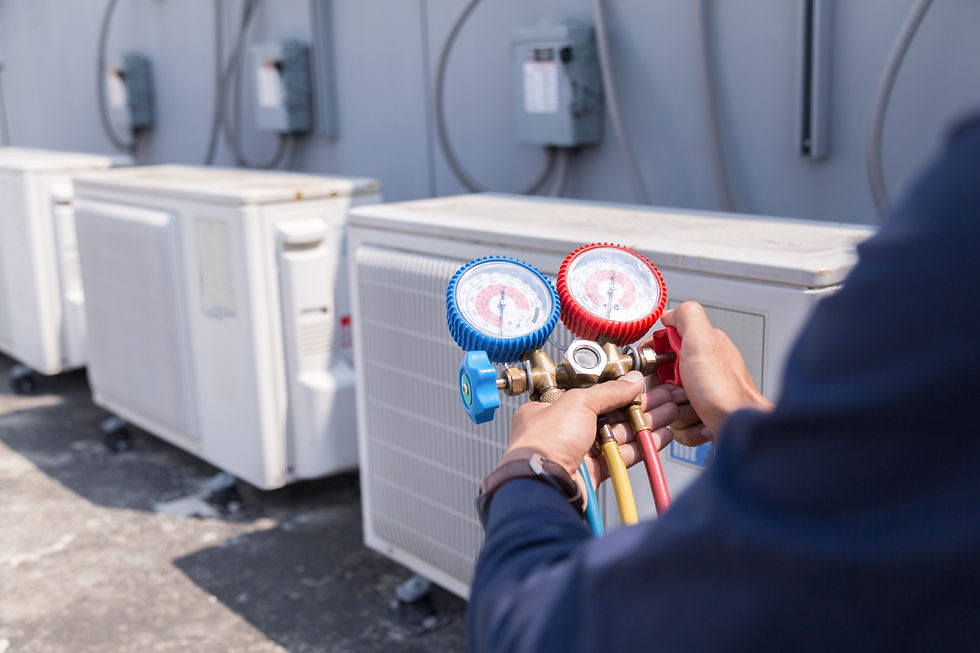
Why Regular HVAC Maintenance Matters
According to the U.S. Department of Energy, properly maintaining your HVAC system can reduce energy consumption by up to 15% and significantly lower your utility bills. Learn more about HVAC energy efficiency.
Neglecting routine maintenance can lead to:
✔ Higher energy costs due to system inefficiencies.
✔ Frequent repairs from worn-out components.
✔ Poor indoor air quality due to dirty filters and clogged ducts.
✔ Shortened system lifespan, requiring costly replacements sooner.
How Often Should You Service Different HVAC Components?
1. Air Conditioners (Every Spring)
Your AC unit should be serviced at least once a year, preferably in spring, to ensure it operates efficiently during summer.
✅ Recommended Maintenance:
Clean or replace air filters. Find air filter recommendations from the National Air Filtration Association.
Check refrigerant levels and inspect coils.
Ensure proper airflow by cleaning vents and registers.
Test the thermostat for accuracy.
Lubricate moving parts and check electrical connections.
💡 Pro Tip: Scheduling an AC tune-up before peak summer months can prevent system overload and breakdowns. Explore AC maintenance tips from Trane.
2. Furnaces (Every Fall)
Before winter arrives, it’s important to service your furnace to ensure safe and efficient heating.
✅ Recommended Maintenance:
Replace furnace filters every 1-3 months.
Inspect and clean burners and flame sensors.
Check the heat exchanger for cracks or carbon monoxide leaks. Read about furnace safety from the EPA.
Ensure the blower motor and belts are functioning properly.
Test the thermostat and safety controls.
💡 Pro Tip: An annual furnace tune-up can extend the unit’s lifespan by 5-10 years. See recommended furnace maintenance from Carrier.
3. Heat Pumps (Twice a Year: Spring & Fall)
Heat pumps provide both heating and cooling, so they require biannual maintenance to stay efficient year-round.
✅ Recommended Maintenance:
Check refrigerant levels and inspect coils.
Clean or replace air filters every 1-3 months.
Lubricate motors and inspect belts for wear.
Test reversing valve operation.
Ensure proper drainage of condensate lines.
💡 Pro Tip: Heat pumps can lose efficiency if not maintained properly. Read more about heat pump maintenance from Lennox.
4. Ductwork (Every 3-5 Years, or Sooner if Needed)
Leaky or clogged ducts can reduce HVAC efficiency by up to 20%, leading to higher energy costs and poor air circulation.
✅ Recommended Maintenance:
Inspect for visible leaks, gaps, or disconnected ducts.
Seal duct leaks with mastic sealant or foil tape.
Clean air ducts if there’s visible dust buildup or mold growth. Check EPA guidelines on indoor air quality.
Ensure ducts are properly insulated to prevent energy loss.
💡 Pro Tip: If some rooms feel colder or warmer than others, your ductwork may need servicing. Explore ductwork maintenance from Energy Star.
5. Thermostats (Check Monthly)
Your thermostat plays a critical role in regulating indoor temperatures and optimizing HVAC efficiency.
✅ Recommended Maintenance:
Test temperature accuracy and recalibrate if necessary.
Replace batteries in non-wired models every 6-12 months.
Upgrade to a smart thermostat for better energy savings. Compare smart thermostat options from Energy Star.
💡 Pro Tip: A properly set thermostat can reduce heating and cooling costs by up to 10% annually.
Signs to Schedule HVAC maintenance - Needs Immediate Servicing
Even if you follow a regular maintenance schedule, your HVAC system may still require unexpected servicing if you notice these warning signs:
🚨 Unusual Noises – Banging, rattling, or whistling sounds may indicate a failing component.
🚨 Weak Airflow – Poor airflow could mean clogged filters, blower motor issues, or leaky ducts.
🚨 Inconsistent Temperatures – If rooms are not evenly heated or cooled, your system may need balancing or repairs.
🚨 Short Cycling – If your system frequently turns on and off, it could be a sign of an oversized unit or failing thermostat.
🚨 Unexplained High Energy Bills – A sudden increase in energy costs could indicate efficiency loss.
If you notice any of these issues, schedule an HVAC inspection immediately to prevent further damage. Find certified HVAC contractors through ACCA.
Final Thoughts
By following a proactive HVAC maintenance schedule, you can:
✔ Improve energy efficiency and lower utility bills.
✔ Extend the lifespan of your HVAC system.
✔ Ensure consistent indoor comfort throughout the year.
✔ Avoid costly emergency repairs.
If it’s time for your seasonal HVAC tune-up, contact DH Mechanical today for expert servicing tailored to your home’s needs.


Comments